Lawn Care in Downham: Practical Tips for a Healthier, Greener Garden
Why Lawn Care in Downham Matters for Local Homes and Businesses

Lawn care in Downham is about more than keeping grass short. It is about creating a clean, welcoming outdoor space that suits the local climate, soil conditions, and day-to-day use of your garden. Whether you want a family-friendly lawn, a smart front garden, or an outdoor space that looks good year-round, the right approach makes a huge difference.
Downham gardens often face a mix of challenges, from patchy shade and compacted soil to changing weather patterns and seasonal growth spurts. That means lawn care in Downham needs a practical, local approach rather than a one-size-fits-all routine. A healthy lawn can improve curb appeal, support biodiversity, and make your outdoor area more enjoyable to use.
For many property owners, the goal is simple: a lawn that is green, even, and resilient. Achieving that result usually means combining regular maintenance with good soil management, timely feeding, and careful mowing. When those elements work together, lawn care in Downham becomes far less stressful and much more rewarding.
Understanding the Local Conditions That Affect Lawn Care in Downham
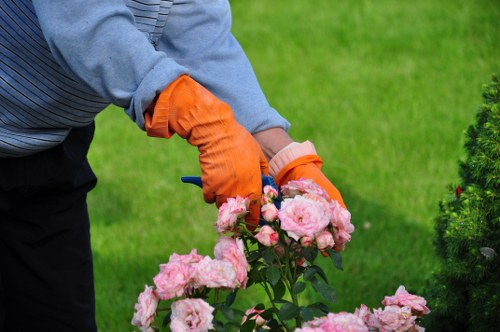
Before starting any lawn care in Downham, it helps to understand what your grass is dealing with. Local lawns can be affected by weather swings, foot traffic, drainage issues, and the amount of sunlight the garden receives. Some lawns thrive in open areas, while others need extra support because of trees, fences, or nearby buildings.
Soil quality plays a major role in lawn health. In many gardens, soil can become compacted over time, especially where children play, pets run, or garden furniture is frequently moved. Compacted soil prevents water, air, and nutrients from reaching the roots properly. That is why smart lawn care in Downham often begins below the surface.
It is also worth considering the grass type already growing in your lawn. Different turf varieties respond differently to shade, drought, heavy use, and feeding routines. By matching your care plan to the conditions in your garden, you can support stronger growth and reduce common problems such as thinning, moss, and weeds.
Mowing the Right Way for Better Results
Mowing is one of the simplest tasks in lawn care in Downham, yet it has a major impact on how your grass looks and grows. Cutting too short weakens the lawn, while allowing grass to grow too long can create uneven patches and make the area harder to manage. The ideal mowing height depends on the season and the grass type, but the main rule is to avoid removing too much at once.
Using a sharp mower blade is just as important as choosing the right cutting height. A clean cut helps the grass recover faster and reduces stress on the lawn. Dull blades tear the grass, leaving frayed edges that can turn brown and make the lawn look tired. If you want better lawn care in Downham, keep mower maintenance on your checklist.
Helpful mowing habits include:
- Cutting regularly rather than waiting too long between trims
- Changing mowing direction to reduce ruts and soil compaction
- Leaving grass slightly longer during dry periods
- Avoiding mowing when the lawn is wet and soft
Seasonal Mowing Adjustments

Seasonal changes should shape your mowing routine. In spring, grass usually grows quickly and may need more frequent cutting. In summer, growth can slow down, especially during dry spells, so mowing may be less frequent. Autumn often brings a second burst of growth, while winter requires a lighter approach or no mowing at all if conditions are too wet or frosty.
For effective lawn care in Downham, try to adapt rather than follow the same schedule all year. Grass that is cut too aggressively in hot weather can struggle to recover. On the other hand, letting it grow excessively in cooler months can create a messy appearance and encourage disease. Seasonal awareness is one of the easiest ways to improve lawn health.
Consistency matters, but flexibility matters too. If the weather changes, adjust your mowing schedule. This simple shift can protect the grass and help you maintain a more attractive lawn with less effort.
Watering Strategies That Support Healthy Growth
Watering is another essential part of lawn care in Downham, particularly during warmer months or dry periods. A lawn needs enough moisture to support healthy roots, but too much water can be just as damaging as too little. Overwatering may encourage shallow root growth, moss, and fungal issues, while underwatering can lead to dull, brittle grass.
Deep, infrequent watering is usually better than frequent light watering. This encourages roots to grow deeper into the soil, making the lawn more resilient. Early morning is often the best time to water because it reduces evaporation and gives the grass time to dry during the day. Evening watering can leave moisture sitting on the lawn for too long, which may increase disease risk.
Not every lawn in Downham needs the same amount of water. Shaded lawns, clay-heavy soils, and older turf can all behave differently. The best way to improve lawn care in Downham is to check the soil regularly and water only when needed. If the grass springs back after being walked on, it may still have enough moisture. If it looks dull and does not recover quickly, it may need a drink.
Feeding the Lawn for Stronger Colour and Growth

Feeding is a key ingredient in successful lawn care in Downham. Grass uses nutrients throughout the year, and regular feeding helps maintain colour, thickness, and overall resilience. A well-fed lawn is better able to recover from wear, cope with weather changes, and resist moss and weed invasion.
Choosing the right lawn feed depends on the season and the current condition of the turf. Spring feeds often support fresh growth and greener colour, while summer feeds may focus on stress resistance and moisture management. Autumn feeds typically help strengthen roots before colder weather arrives. Using the right product at the right time is one of the smartest ways to improve lawn care in Downham.
It is important not to overfeed. Too much fertiliser can scorch the grass or cause rapid top growth that weakens the lawn over time. Always follow application instructions carefully. A balanced approach to feeding will usually deliver the best long-term results, especially when paired with proper mowing and watering.
When and How to Fertilise
Many homeowners ask how often they should fertilise as part of lawn care in Downham. The answer depends on your lawn’s condition, but a seasonal routine is often a good starting point. Feeding in spring, early summer, and autumn can support steady growth throughout the year. If your lawn is under stress, you may need to adjust the schedule slightly.
Apply fertiliser when the grass is dry but the soil has some moisture. This helps the product absorb more effectively and reduces the risk of burning the lawn. After application, light watering can help move nutrients into the root zone. Always avoid applying fertiliser before heavy rain, as runoff can waste product and reduce effectiveness.
Useful signs that a lawn may need feeding include:
- Pale or yellowing grass
- Slow recovery after mowing
- Thin patches with weak growth
- Reduced resistance to weeds and moss
Aeration and Scarification for Improved Lawn Health
Aeration and scarification are two of the most valuable treatments in lawn care in Downham, especially for lawns that have become compacted or thatched. Aeration creates small holes in the soil, allowing air, water, and nutrients to move more freely around the roots. Scarification removes dead grass, moss, and surface debris that can block healthy growth.
These treatments are particularly useful if your lawn feels hard underfoot, drains poorly, or struggles to grow evenly. In many cases, a lawn may look fine from a distance but still suffer underneath. Regular aeration and scarification can transform the long-term condition of the turf, making lawn care in Downham much more effective overall.
Timing matters here too. Spring and autumn are often the best periods for these treatments because the grass is actively growing and can recover more quickly. If the lawn is already under stress from drought or frost, it may be better to wait until conditions improve.
Dealing with Weeds, Moss, and Other Common Problems

Weeds and moss are among the most common frustrations in lawn care in Downham. They often appear when grass is weak, soil conditions are poor, or mowing and feeding routines are inconsistent. Rather than treating weeds and moss as separate issues, it helps to think about the underlying cause.
Healthy grass is the best defence. A thick, well-maintained lawn naturally makes it harder for weeds to establish. Improving mowing habits, feeding regularly, and reducing compaction can all help. Moss often indicates shade, moisture, poor drainage, or acidic soil, so identifying the trigger is essential before applying treatments.
Some homeowners prefer to tackle weed and moss control with manual methods, while others use selective products. Whatever approach you choose, always focus on long-term lawn health. Short-term fixes may clear visible problems, but lasting lawn care in Downham depends on making the lawn less inviting to unwanted growth in the first place.
Preventing Weeds Before They Spread
Prevention is often easier than cure. For better lawn care in Downham, keep the lawn dense by overseeding thin spots, mowing at the correct height, and feeding at the right time. Bare patches are open invitations for weeds, so filling them quickly can reduce future problems. It also helps to remove weeds early before they have a chance to seed and spread.
Edges, borders, and hard-to-reach corners often become weed hotspots. These areas deserve extra attention during routine maintenance. A little time spent checking the lawn each week can prevent small issues from becoming major tasks later on. This is a simple but highly effective part of lawn care in Downham.
Practical weed-prevention tips:
- Repair bare patches quickly with seed or turf
- Maintain consistent mowing height
- Keep borders neat and tidy
- Inspect new growth areas regularly
Overseeding and Repairing Thin or Patchy Areas
Even the best lawns can develop thin or bare spots over time. Heavy use, pets, shade, poor drainage, or seasonal stress can all leave marks. Overseeding is a valuable part of lawn care in Downham because it fills gaps with fresh grass seed and encourages thicker growth. This not only improves appearance but also strengthens the lawn against weeds and wear.
Before sowing seed, prepare the area carefully. Remove debris, loosen the top layer of soil, and level the surface if needed. Good seed-to-soil contact is essential for success. After sowing, keep the area lightly moist until the new grass is established. Rushing this stage can lead to weak germination and patchy results.
For damaged lawns, a combination of overseeding, feeding, and correct mowing often delivers the best recovery. If the problem is caused by poor drainage or heavy shade, those issues may also need attention. Lawn care in Downham works best when repair efforts address both the symptoms and the source of the damage.
Soil Improvement and Drainage Solutions
Why the Ground Beneath the Grass Matters
Many lawn problems start in the soil. If the ground is heavy, compacted, or poorly drained, the grass will struggle no matter how often you mow or feed it. That is why lawn care in Downham should always include attention to soil structure. Healthy soil helps roots grow deeper and supports stronger, more even turf.
Drainage problems often show up as puddles, spongy areas, or mossy patches that never seem to dry out. These are signs that water is not moving through the soil efficiently. Improving drainage may involve aeration, topdressing, or more substantial changes if the issue is severe. Even small improvements can make a big difference over time.
Helpful soil-improvement actions include:
- Regular aeration to reduce compaction
- Topdressing with suitable material
- Balancing soil pH where needed
- Reducing traffic on weak areas
Topdressing for a Smoother Surface
Topdressing is often overlooked, but it can greatly improve lawn care in Downham. Applying a thin layer of suitable material across the lawn helps level minor unevenness, improve soil structure, and support healthier root development. It is especially useful after aeration or scarification, when the lawn is more receptive to improvement.
The aim is not to bury the grass, but to gently enhance the surface. A light, even application can fill small dips and support recovery without overwhelming the turf. When combined with overseeding, topdressing can help a tired lawn regain strength and appearance more quickly.
Think of topdressing as a long-term investment. It may not produce instant dramatic results, but it can steadily improve the quality of your lawn season after season.
Seasonal Lawn Care in Downham Throughout the Year
Good lawn care in Downham is seasonal. Each part of the year brings different priorities, and adjusting your routine helps keep the lawn in better condition. Spring is usually the season for feeding, repairing damage, and encouraging fresh growth. It is also a good time for aeration and scarification if the lawn needs them.
Summer lawn care in Downham often focuses on protecting the turf from heat and drought stress. Mowing slightly higher, watering wisely, and avoiding unnecessary strain can help the grass cope. Autumn is ideal for strengthening the lawn before winter, with feeding, clearing leaves, and repairing patches all playing important roles.
Winter is usually a lighter maintenance period. Avoid walking on frosty or waterlogged lawns where possible, and keep the surface clear of debris. Even in quieter months, a little attention can prevent problems from building up and make spring recovery easier.
A Simple Seasonal Checklist
Spring: Feed, overseed, repair damage, and begin regular mowing.
Summer: Water deeply if needed, mow at a sensible height, and monitor stress.
Autumn: Scarify, aerate, feed, and prepare for colder weather.
Winter: Minimise traffic, clear debris, and avoid unnecessary disturbance.
Using a seasonal checklist helps make lawn care in Downham more organised and less overwhelming. It also ensures that important tasks are not forgotten during busy periods.
Why Professional Lawn Care in Downham Can Make a Difference
While many homeowners enjoy maintaining their own lawns, there are times when professional help is valuable. Lawn care in Downham can involve more than routine mowing, especially if the turf has persistent issues such as moss, poor drainage, compaction, or repeated patchiness. A professional can assess the lawn accurately and recommend the most effective treatment plan.
Professional support can also save time. For busy households, businesses, or landlords, outsourcing lawn care in Downham may be the most efficient way to keep outdoor areas looking neat and healthy. It can also provide access to specialist equipment and more advanced treatments that are difficult to manage with standard domestic tools.
Whether you want regular upkeep or one-off recovery work, expert lawn care in Downham can help you reach a better result with less guesswork. If you are tired of fighting the same issues every season, it may be time to consider a more tailored approach.
Creating a Lawn That Fits Your Space and Lifestyle
The best lawn is not always the one that looks perfect in theory. It is the one that suits how you use your garden. Some households need a durable surface for children and pets, while others want a decorative area that looks neat from the street. Lawn care in Downham should reflect those needs, not just a generic ideal.
If your space gets heavy use, focus on resilience: regular mowing, overseeding, feeding, and soil improvement. If appearance is the priority, you may want a more refined maintenance routine with edging, precise mowing, and careful seasonal treatment. Either way, the same core principles apply. Strong roots, healthy soil, and consistent care are the foundation of a great lawn.
A well-kept lawn can:
- Improve the look of your property
- Create a more enjoyable outdoor area
- Support better long-term turf health
- Reduce the spread of weeds and moss
Final Thoughts on Lawn Care in Downham
Lawn care in Downham is most successful when it combines everyday upkeep with smart seasonal decisions. Mowing correctly, watering wisely, feeding at the right time, and improving soil condition all contribute to a healthier lawn. When these actions are carried out consistently, even a tired-looking garden can begin to transform.
There is no need to overcomplicate things. Focus on the basics, respond to local conditions, and pay attention to how your lawn behaves across the seasons. Over time, that approach creates a stronger, greener, and more attractive result. For homeowners and businesses alike, investing in lawn care in Downham can improve both appearance and usability.
If your lawn needs a refresh, now is the perfect time to take action. Contact us today to discuss your lawn goals, or book your service now and give your outdoor space the care it deserves.

